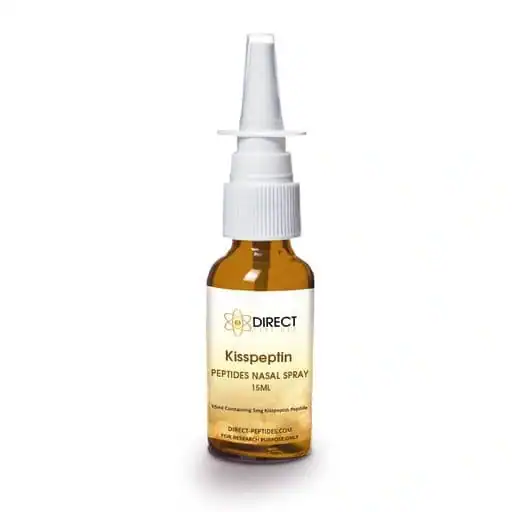


Premium Kisspeptin for Laboratory Research
If you’re researching Kisspeptin research peptide UK materials, selecting a supplier that prioritises purity, consistency, and transparent laboratory documentation is essential. First and foremost, Kisspeptin is a neuropeptide encoded by the KISS1 gene and is extensively investigated in neuroendocrine and reproductive biology research. In particular, Kisspeptin signalling involves the KISS1R receptor and is closely associated with gonadotropin-releasing hormone (GnRH) pathways.
Furthermore, Kisspeptin-10 is a commonly studied synthetic form used in experimental research involving KISS1R activation, receptor signalling, and hypothalamic-pituitary-gonadal axis models. Consequently, researchers benefit from clearly characterised materials supported by appropriate analytical documentation. Current UK research suppliers commonly describe Kisspeptin-10 as a lyophilised research material and may provide HPLC, mass-spectrometry, and batch-specific COA documentation.
Additionally, Kisspeptin research remains predominantly preclinical for laboratory applications. Therefore, research materials should be handled exclusively within appropriate laboratory environments and according to institutional procedures.
Why Researchers Study Kisspeptin research peptide UK
Kisspeptin has attracted considerable scientific interest because of its role within reproductive neuroendocrine signalling. More specifically, Kisspeptin activates the KISS1R receptor, which can influence GnRH signalling and downstream gonadotropin pathways.
Research commonly investigates:
- KISS1R receptor signalling
- GnRH pathway modelling
- Neuroendocrine signalling
- Hypothalamic-pituitary-gonadal axis research
- Reproductive biology
- Receptor-binding studies
- Peptide stability
- Molecular signalling
- Experimental endocrine models
Moreover, researchers continue examining Kisspeptin signalling across different experimental systems. Similarly, ongoing studies investigate how Kisspeptin interacts with other neuroendocrine pathways. Nevertheless, laboratory findings should not automatically be interpreted as demonstrating clinical effectiveness.
Quality Standards Matter
When evaluating Kisspeptin research peptide UK materials, prioritise suppliers that provide:
- Certificate of Analysis (COA)
- Batch identification
- HPLC analysis
- Mass-spectrometry verification
- Independent laboratory testing
- Clear product specifications
- Appropriate packaging
- Research-use documentation
Furthermore, HPLC testing can provide information about analytical purity, while mass spectrometry can help confirm molecular identity. For example, some UK suppliers currently report using both methods for their Kisspeptin-10 materials.
Likewise, batch-specific documentation improves traceability between different research materials. Consequently, researchers can compare analytical information before commencing laboratory investigations.
Research Use Only
Kisspeptin research materials are supplied strictly for laboratory research purposes only.
Accordingly, they should not be represented as medicines, supplements, or therapeutic products. Furthermore, research-grade Kisspeptin should not be marketed for human or veterinary consumption. Instead, qualified researchers should follow applicable laboratory safety procedures, institutional requirements, and relevant regulations.
Why Choose a Quality-Focused Research Supplier?
A quality-focused supplier should provide:
- Verified product specifications
- Batch traceability
- Certificate of Analysis
- Analytical testing information
- Independent verification where available
- Secure laboratory packaging
- Clear Research Use Only documentation
- Professional customer support
Additionally, transparent documentation allows researchers to evaluate materials before laboratory use. Moreover, consistent quality-control procedures can support reproducibility between experimental batches. Ultimately, these practices help researchers maintain better laboratory standards.
FAQ
What is Kisspeptin?
Kisspeptin is a neuropeptide encoded by the KISS1 gene. Specifically, it is extensively studied because of its interaction with the KISS1R receptor and its relationship with GnRH-associated neuroendocrine signalling.
What is Kisspeptin-10?
Kisspeptin-10, also known as KP-10 or Metastin 45–54, is a synthetic decapeptide used in laboratory research involving KISS1R signalling and neuroendocrine pathways.
What is Kisspeptin studied for?
Researchers investigate Kisspeptin in areas including KISS1R activation, GnRH signalling, reproductive endocrinology, neuroendocrine biology, receptor interactions, and hypothalamic-pituitary-gonadal axis research.
What documentation should a research supplier provide?
Ideally, suppliers should provide a batch-specific COA, analytical testing information, product specifications, and clear Research Use Only documentation. Additionally, independent HPLC and mass-spectrometry testing can provide useful information regarding purity and molecular identity.
Is Kisspeptin intended for human consumption?
Research-grade Kisspeptin should be supplied exclusively for laboratory research. Therefore, it should not be marketed for human or veterinary consumption, therapeutic use, or clinical application.